S3 : Planchers chauffants et rafraîchissants : Quels revêtements de sol choisir ?
<p> <strong>Solution n° 3 : Un parquet sous très haute surveillance</strong></p>
<p> <strong>INFOS PRATIQUES</strong></p> <p style="text-align: justify"> <strong>Réglementations</strong></p>
<p> <b>Avis d’expert</b></p> <p style="text-align: justify"> <b>« Parquet et plancher réversible : attention ! »</b></p> <p style="text-align: justify"> <b>Gilles Marmoret*</b></p>
<p> <strong>Solution n° 1 : <span data-scayt_word="Revêtement" data-scaytid="1">Revêtement</span> <span data-scayt_word="carrelé" data-scaytid="2">carrelé</span>, <span data-scayt_word="lidéal" data-scaytid="3">l’idéal</span></strong></p>
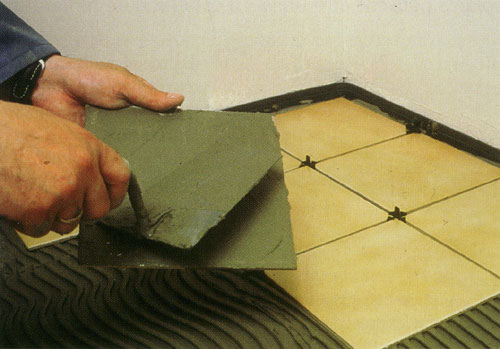
<p> <strong>Solution n° 2 : Pose collée</strong></p>
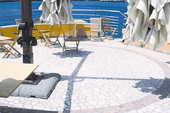
<p> Pour réaliser des terrasses carrelées en extérieur, la pose collée s’impose. Parce que répondant plus facilement à une forte demande en rénovation de maisons individuelles. Mais attention, qui dit extérieur, dit contraintes climatiques.</p>
<p> <strong>Avis d’expert</strong></p> <p> <strong>Michel Droin*</strong></p>
<p> <strong>Solution n° 1 : Pose scellée</strong></p>
<p> <strong>Solution n° 3 : Pose avec étanchéité</strong></p>
<p> <strong>Infos Pratiques</strong></p>
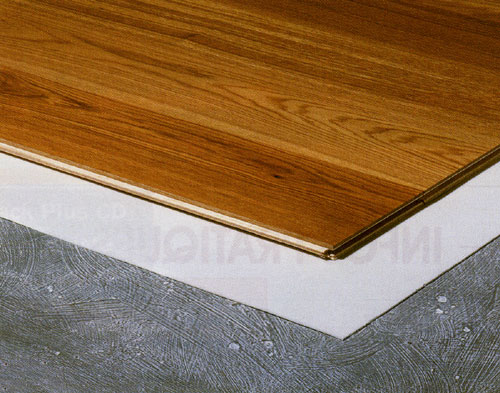
<p> <strong>Solution n° 2 : La pose flottante - DTU 51.</strong>11</p>
<p> <strong>Solution n° 2 : La sous-couche isolante sous chape</strong></p>
<p> <strong>Solution n° 1 : la pose collée - DTU 51.</strong>2</p>
<p> <strong>AVIS D'EXPERT </strong></p> <p> <strong>Le contrecollé s'adapte à toutes les poses</strong></p> <p> <strong>*Louis Borg</strong></p>
<p> <strong>Solution n° 3 : Le système en plaques</strong></p>
<p> <strong>Solution n° 3 : La pose clouée - DTU 51.</strong>1</p>
<p> <strong>Solution n° 1 : Le kit rouleau + mini-chape</strong></p>
<p> <strong>INFOS PRATIQUES</strong></p> <p style="text-align: justify"> <strong>Avis d’expert (construction neuve)</strong></p> <p style="text-align: justify"> <em><strong>Maurice Lombard*</strong></em></p>
<p> <strong>Solution n° 2 : Les isolants fibreux</strong></p>
<p> <strong>Solution n° 1 : Les sous-couches acoustiques</strong></p>